They came in asking for the best party ever.
They had a meaningful ceremony in mind, a few traditions they wanted to honor, and a reception they hoped their family and friends would retell for years. They also had a list of good ideas. What they did not yet have was the one sentence that could make every idea belong to the same story.
Marie did not hand them a theme. She asked questions until the story already inside them came to the surface. Then the planning room and the wedding weekend began answering each other.
Every time the weekend seems to have given its best, another chapter opens.
The Last Song
At least, that is what everyone thinks it is.
The sparklers have burned down to silver threads. A bubble catches in the bride's hair. Someone is laughing too hard to keep the tunnel straight, and the drone above the terrace gathers the whole bright, unruly scene into one final frame.
The couple disappears beyond the light. Guests lower their hands and begin the familiar work of believing a wonderful night is over.
Then a horn sounds from inside The Shed.
Not the band they have danced to all evening. Something warmer. Later. A local jazz group is settling into the room, the bar has one more round, and the people who are not ready to leave have not been asked to.
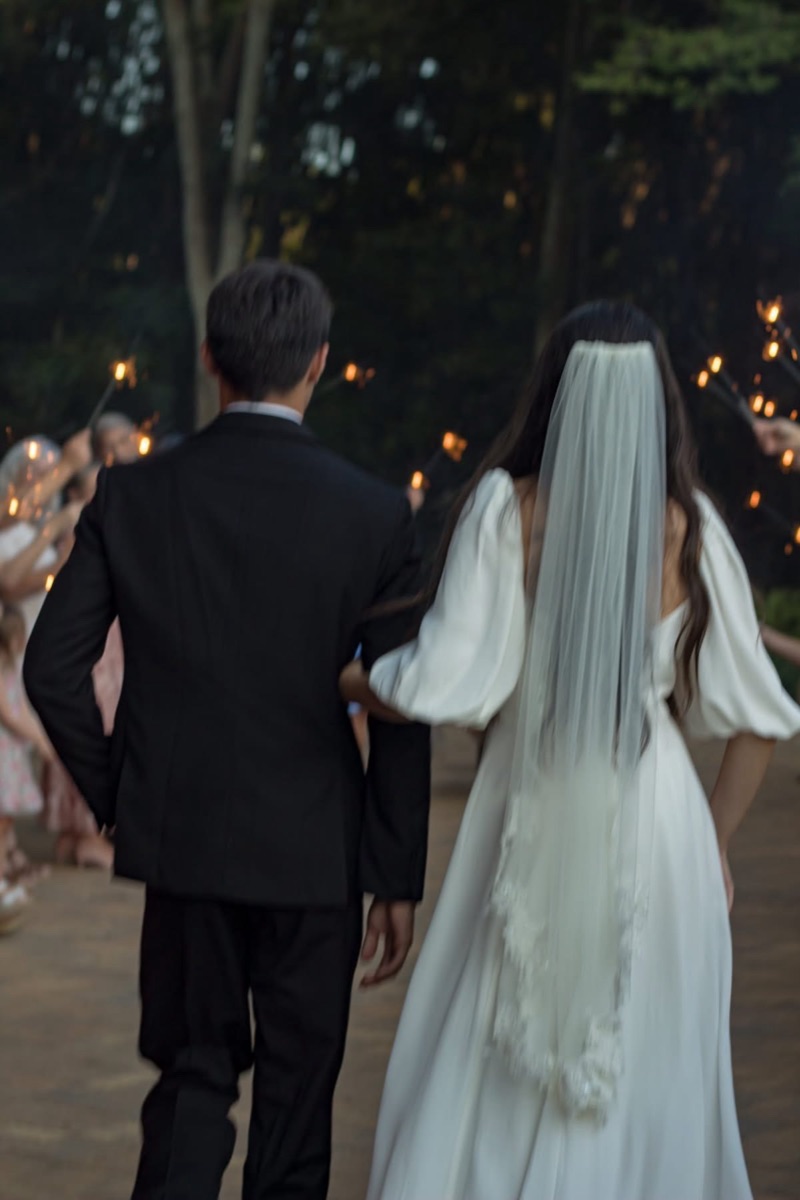
The sendoff was real. It simply was not the end of the hospitality.
Thirty-six hours earlier, this ending began as a question.
What Do You Want Them to Say?
The first answer is usually true. It is rarely complete.
“We want our family and friends to have one of the best parties they have ever been to.”
Marie asked: Who most needs to feel that? And what would make you look around and know it was happening?
They answered: Our parents, siblings, and closest friends. We want the serious moments to matter – and then we want our people to completely let go.
This was not one loud party. It was a widening circle: begin quietly with the two of them, draw the inner circle close, then open the joy to everyone. The formal moments would not interrupt the fun; they would give it a heart.
Their original one-day plan stretches – not because more is automatically better, but because Saturday cannot carry every kind of closeness without rushing one of them.
Friday will belong to the core group. Saturday will open from private calm to public celebration. And when the expected ending arrives, the people closest to them will receive one final, unexpected chapter.
The Calm Before
Before they belong to everyone, they keep one quiet hour for themselves.
“We want everyone to have a blast. We just do not want to wake up Friday already performing.”
The weekend needs contrast. A celebration this energetic should begin with a memory that belongs only to the couple: coffee, a creek walk, and no task attached to either one.
Morning arrives softly at the houses. No guests to greet yet. No chairs to count. Just coffee, two people, and Papa's Creek moving over stone.
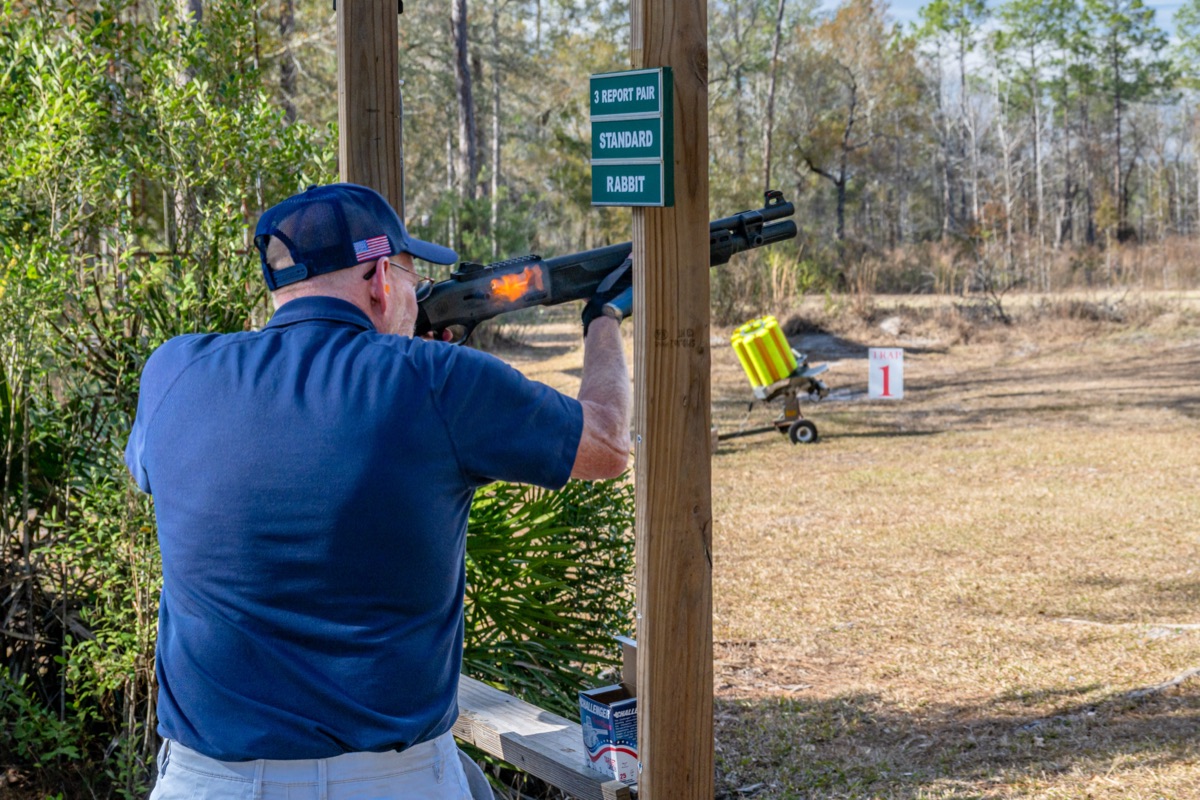
Later, bags land at Harrison House and Hilltop. The bride and her friends leave for manicures, pedicures, and mimosas with a chauffeur handling the road. The groom's group takes a farm walk and heads into a guided sporting- clay session. Different adventures, one purpose: let the inner circle become friends again before they become a wedding party.



Friday Is Close
It should matter without feeling like a smaller Saturday.
“We want Friday night to feel special – but we do not want to use up the party before the party.”
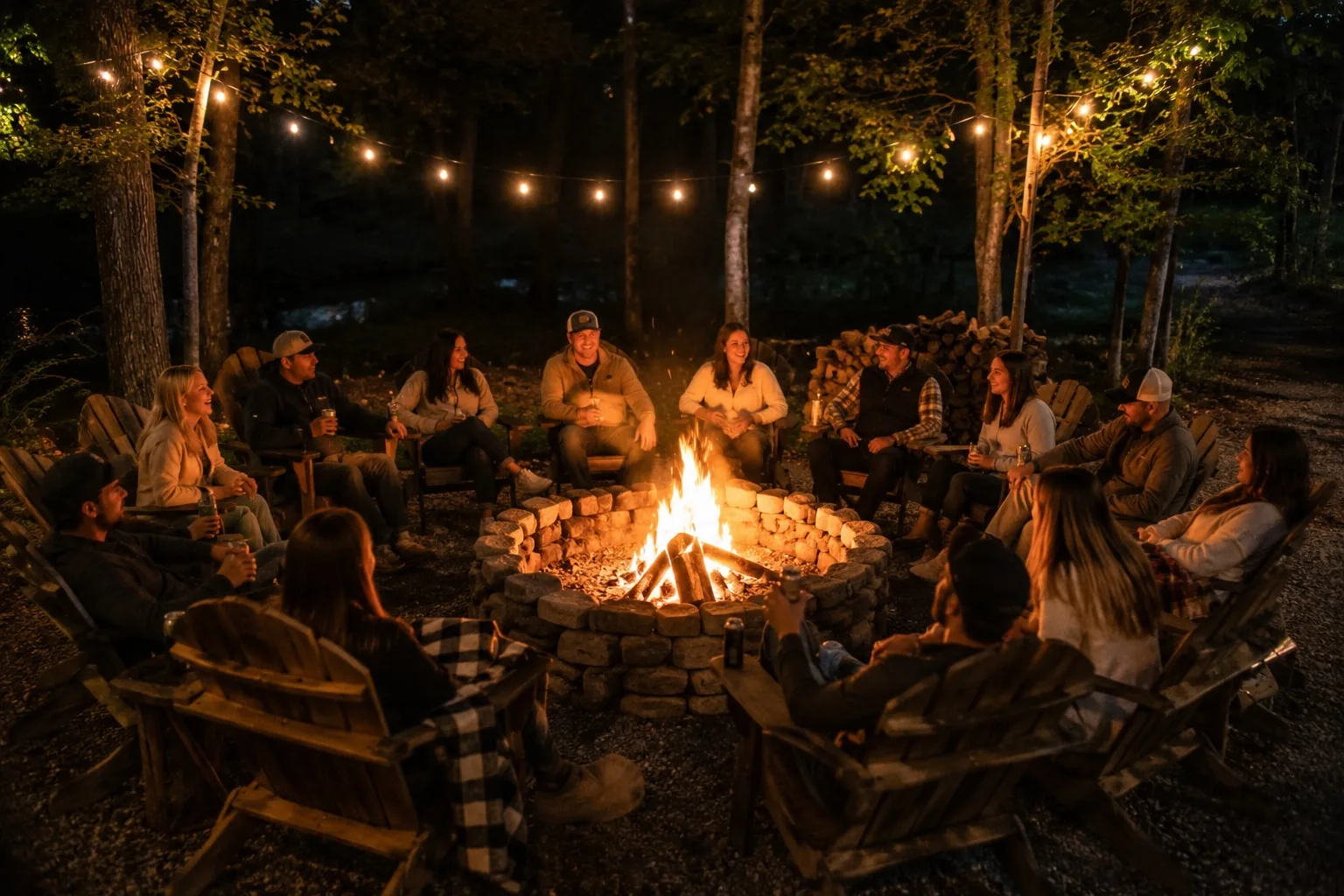
Friday tells the same story in a lower voice. Saturday is expansion; Friday is intimacy. Firelight, familiar faces, and unhurried conversation make the inner circle feel chosen rather than merely scheduled early.
The rehearsal finishes with missed marks and laughter. Dinner follows, close and generous rather than grand. Outside, October has turned cool enough to make the fire necessary.
Hot chocolate comes first. A few cold beers appear later. Conversation slips beyond the stories everyone always tells and into the ones nobody planned to share. Nobody is performing yet. That is the point.
Already Inside It
The first note reaches guests before they reach the door.
“We want them to know this is different the moment they arrive – but the ceremony still has to be the heart of it.”
Arrival should give guests permission to be joyful; the ceremony should gather that joy into meaning. The Set should support both without disguising The Shed as another venue.
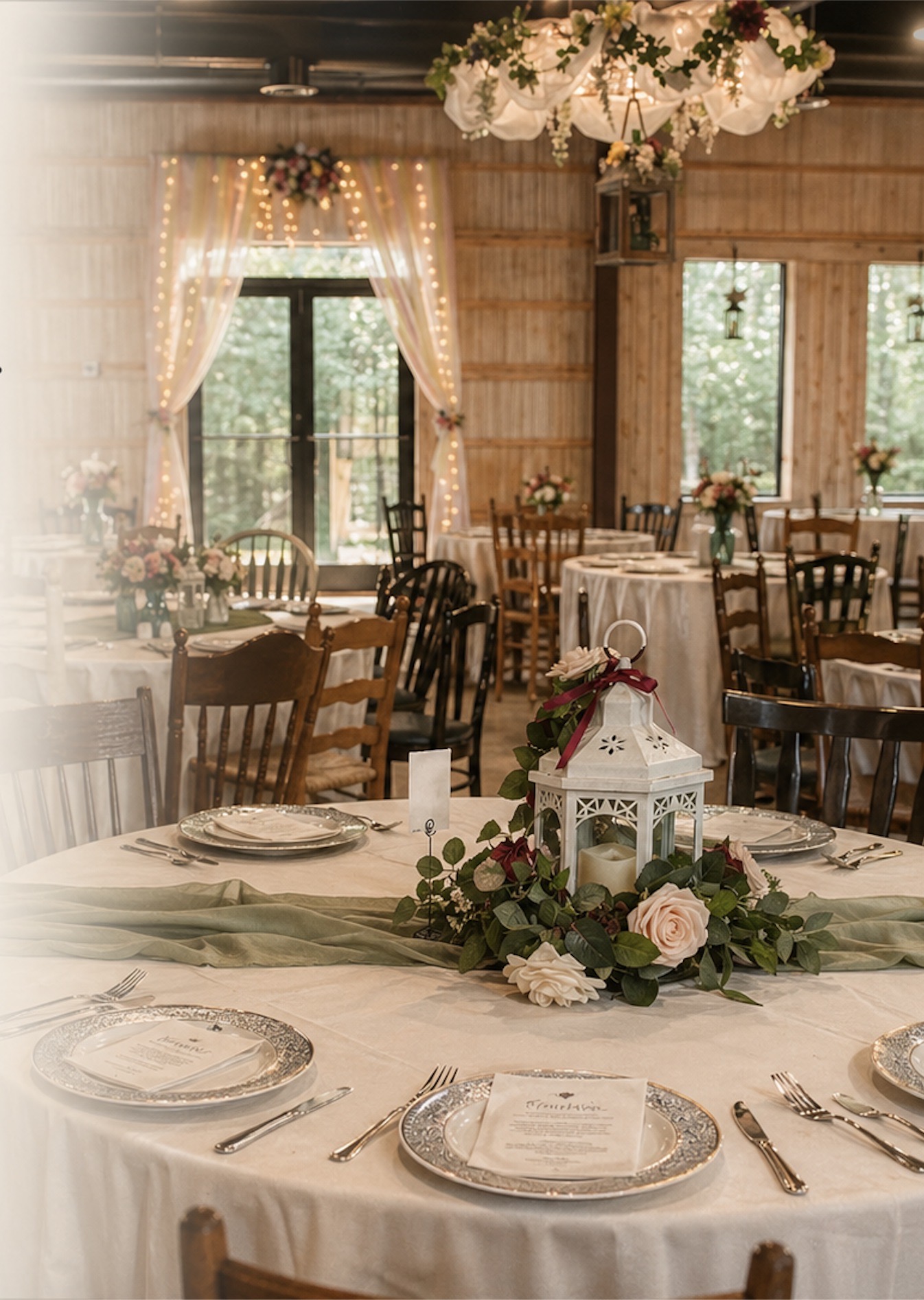
The Shed does not begin as an empty room that needs to be rescued. Its timber, chandelier, arches, light, terraces, and farm history already carry a point of view. The design works with that character instead of covering it.
The linen and runner treatment relaxes the tables without leaving them plain. Low centerpieces keep faces visible. A QR card on every table dares guests to make and upload the most joyful photographs they can. The table and seating layout holds a clear center for speeches and first dances, then lets the room yield naturally to the dance floor.
A live band is already playing as car doors open – not loudly, but with enough lift to loosen shoulders on the path. Greeters meet guests with contagious delight. The back porch offers a first drink and a place to gather.
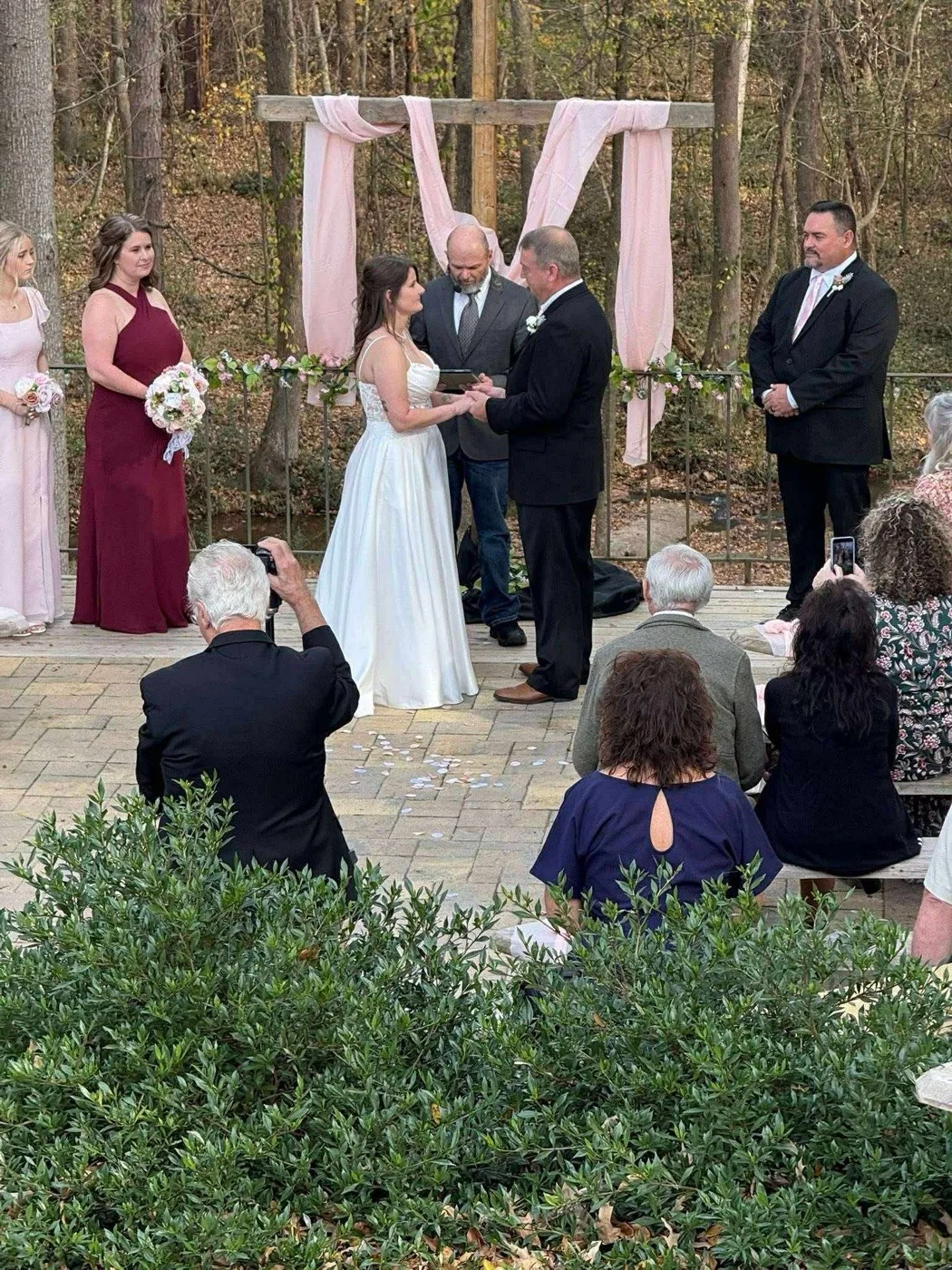
Then the terraces quiet. The wedding party enters with enough personality to pull laughter across the rows. The bride appears. The minister gives the promises their proper weight, and the couple's self-written vows bring tears and laughter together. The ceremony is not a pause before the party. It is the reason all that joy has somewhere to land.
Your guests may never name the linen or the transition. They will remember how naturally the day kept becoming more itself.
The Room Lets Go
First, the moments worth stopping for. Then, no reason to sit down.
“We want the speeches, the dances, the cake – all of it. Then we want everyone to completely let go.”
The traditions are not boxes to check before the fun begins. They are the emotional climb. The handoffs between them matter as much as the moments: dinner to speeches, cake to music, watching to joining, sendoff to encore.
Dinner arrives. Wine follows. Parents stand, siblings tell the stories they promised not to tell, and friends say the serious things that rarely survive ordinary conversation.
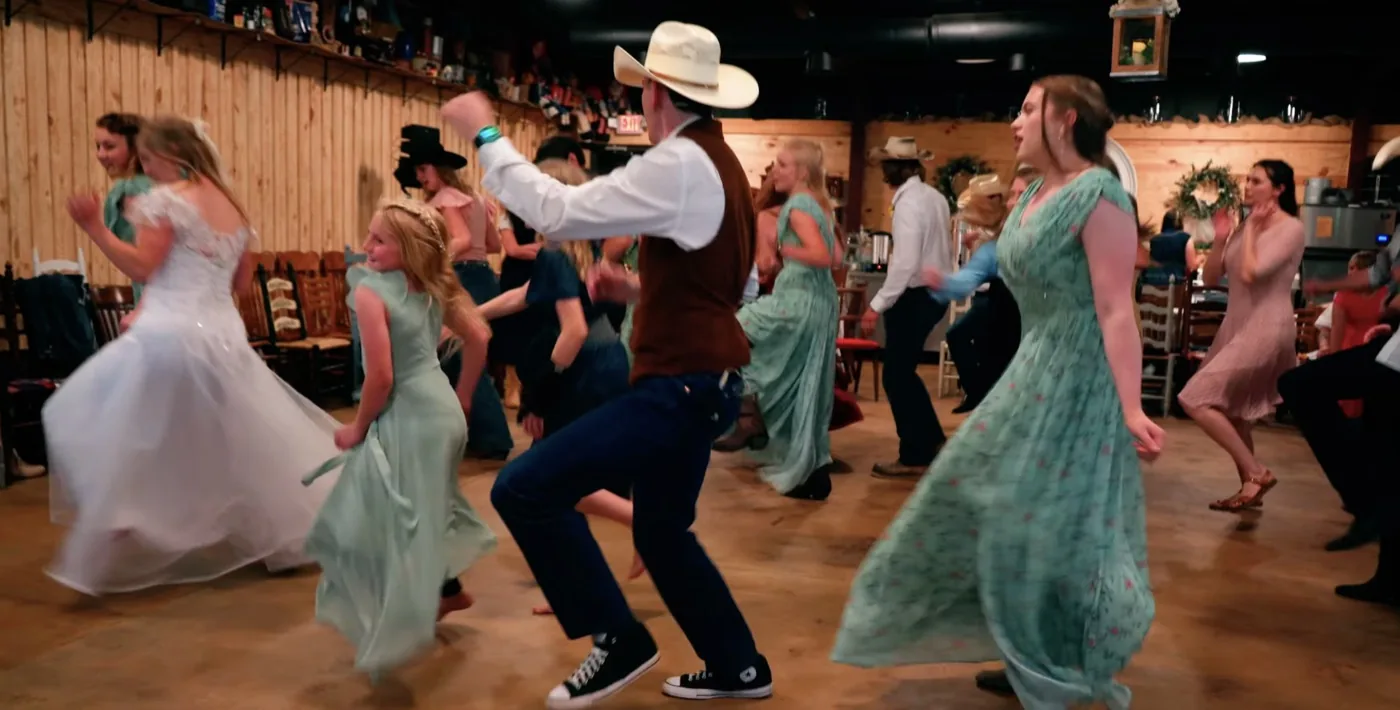
There is a first dance, a toast, and cake. The groom is still recovering from the piece his bride left across his face when the band's energy shifts. A dance caller steps forward. Parents dance beside college friends. Children invent steps. The careful geometry of the room gives way to something joyfully human.
Much later, bubbles gather at the doors and sparklers turn the path into light. The couple leaves. Then the horn sounds. Jazz replaces the dance band, another round waits inside, and the core group receives the final expression of the promise made in the planning room: one more song.
Deeply Prepared. Quietly Present.
The couple should feel the design, not the machinery behind it.
“We do not want to spend our wedding answering vendor questions or watching the room be managed.”
The design needs clear ownership before anyone arrives. The planner still directs. Every vendor still owns its work. The Shed makes its spaces and pieces included in the final scope ready, helps those professionals get what they need from the property, and stays out of the live moments whenever possible.
A glass tips. A chair turns sideways. Someone abandons a folded napkin because their favorite song has started. Those are not always failures to erase. They are evidence that the room is being lived in.
Live bussing, ongoing trash, and spill response belong to the planner, caterer, or hired service team. The Shed remains quietly available for urgent property needs without continually entering the celebration.
After the final guests leave, The Shed gathers the décor included in the final scope, launders its linens, removes event trash, and restores the agreed-upon spaces. The family is not left rebuilding the room at midnight.
Prepared Before
Agreed-upon setting, furnishings, linens, and décor pre-set.
Protected During
Quiet property support while the planner and vendors lead.
Restored After
Post-event venue cleanup without a family work crew.
The Story Comes Back to Them
By breakfast, the design has disappeared into memory.
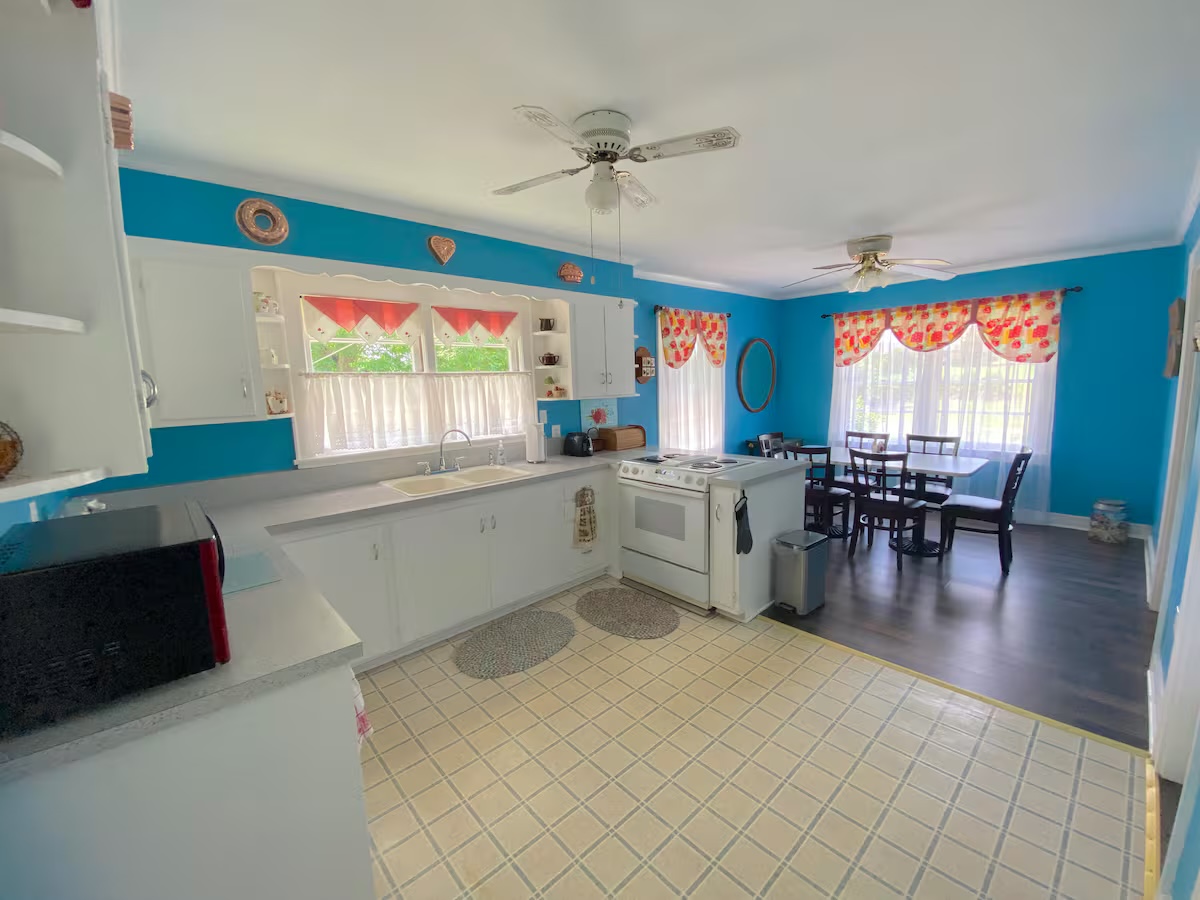
Coffee starts in the kitchen. Breakfast is intentionally undemanding. Shoes appear one by one beneath the table, and the photographs guests uploaded overnight begin moving from phone to phone.
Someone caught the groom's face after the cake. Someone else has the exact moment a parent stopped resisting the dance caller. The sparkler exit looks cinematic. The late jazz photographs look like a secret.
Before the houses are empty, the story has already returned in the words they hoped to hear: “Do you remember when…” and “I thought it was over, and then…”
Give the people they love a night they never want to leave.
The design kept returning to that sentence. The guests only had to live it.